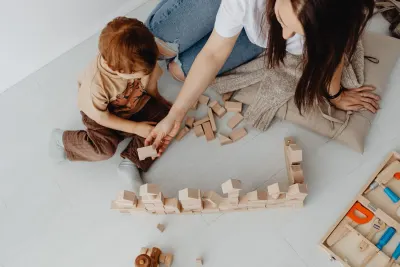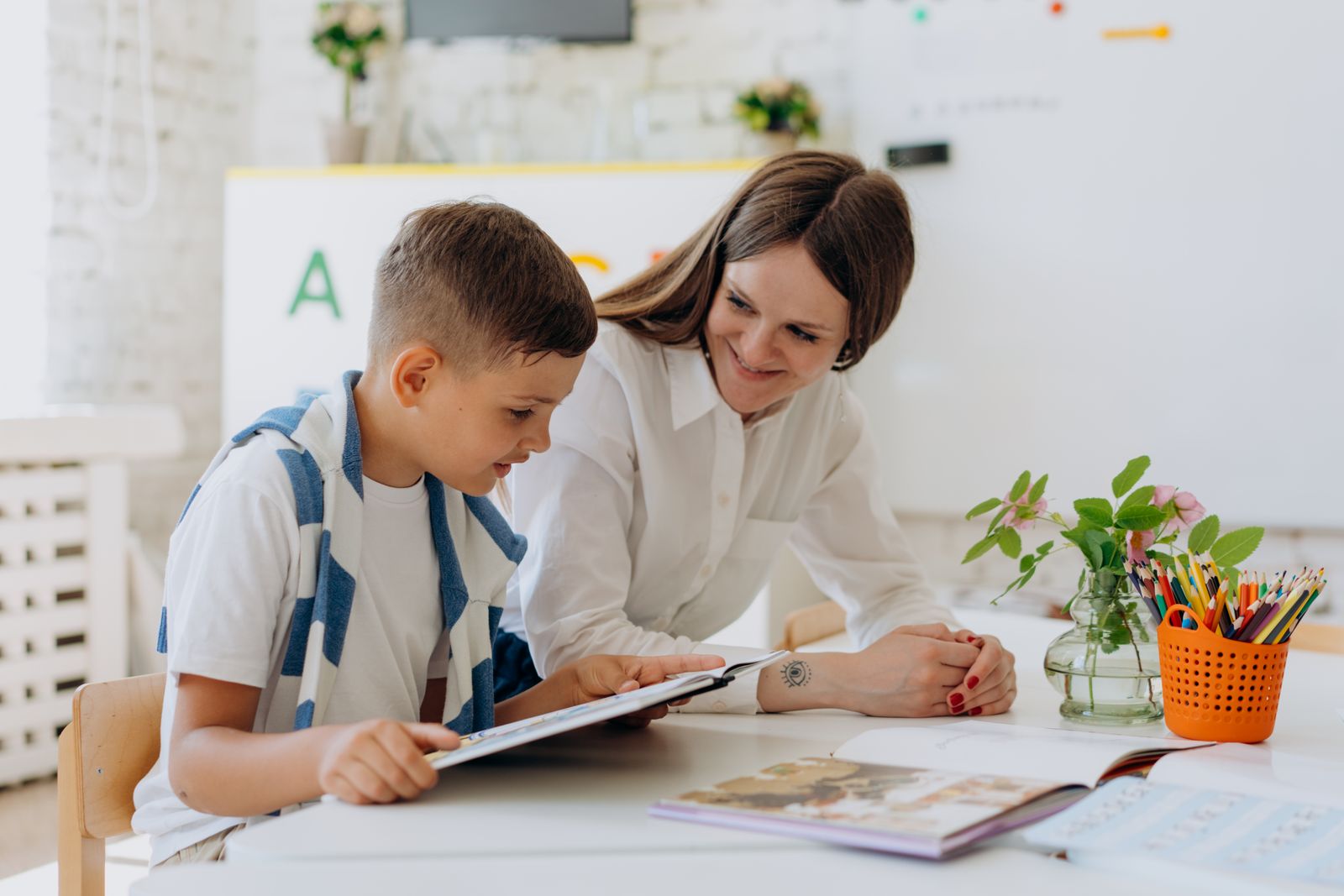
In the first year of regular sessions, ABA therapy (applied behavior analysis) builds six key skills in a child: communication, following instructions, self-care, social interaction, attention and control of unwanted behavior. These skills lay the foundation for further learning and socialization.
What ABA therapy is
ABA therapy is a method of behavior change based on the principles of Applied Behavior Analysis, which uses reinforcement to build desired skills and reduce problem behavior. The method is grounded in research in behavioral psychology and is used mainly with children on the autism spectrum, with speech delays and with ADHD.
Work with an ABA therapist is built on constant data collection: the specialist records the child’s responses, analyzes them and adjusts the program according to progress.
The basic principles behind the results
ABA rests on a few principles; without understanding them it’s hard to see why the method works:
- Reinforcement - a response (a reward) that makes a desired behavior more likely to happen again.
- Breaking a skill into steps - a complex action is divided into simple elements, each practiced separately.
- Generalization - carrying a learned skill over from sessions into real life, different places and situations.
- Consistency - sessions need to happen regularly, because chaotic, occasional exercises hardly ever give lasting results.
6 skills built in the first year
1. Basic communication
The child learns to make requests (asking for what they want instead of screaming or having a tantrum), answer simple questions and get an adult’s attention in an acceptable way. For nonverbal children, PECS cards or gestures are often used as a bridge to speech.
2. Following instructions
The ability to understand and follow simple one-step instructions (“sit”, “give”, “put it down”) is built first, then two-step and more complex ones. This is a basic skill without which further learning in a group isn’t possible.
3. Self-care skills
This includes basic everyday actions: eating with a spoon on their own, washing hands, getting dressed with minimal help. These skills are practiced step by step, with visual prompts and gradually less help from the adult.
4. Waiting and attention skills
The child learns to sit at a table for a certain time, wait their turn and not get distracted by other stimuli. This is a critical skill for kindergarten or school.
5. Social interaction
The first skills of playing together, imitating the actions of an adult or another child, and eye contact during communication are formed. In the first year this is mostly parallel play next to other children rather than full joint play.
6. Reducing problem behavior
Alongside building new skills, the therapist works on replacing unwanted behavior (screaming, aggression, self-injury) with acceptable alternatives. This is done by analyzing the reasons for the behavior (functional analysis) and choosing an appropriate replacement.
| Skill | What is built | Approximate time to first results |
|---|---|---|
| Communication | Requests, answering questions | 1–3 months |
| Following instructions | One-step, then more complex instructions | 2–4 months |
| Self-care | Eating, hygiene, dressing | 3–6 months |
| Attention and waiting | Sitting at the table, taking turns | 2–5 months |
| Social interaction | Eye contact, parallel play | 4–8 months |
| Reducing problem behavior | Replacing unwanted reactions | 3–9 months |
Timelines are approximate and depend on the child’s individual characteristics, session intensity and the specialist’s qualifications.
Common parent mistakes at the start
- Expecting instant results after a few sessions.
- Using reinforcement inconsistently at home, allowing at home what isn’t allowed in sessions.
- Trying to “set up” a complex program on your own without experience writing protocols and collecting data.
- Comparing your child’s progress with other children instead of focusing on their individual progress.
As behavior analysis specialists note, a stable environment around the child affects how quickly a skill is consolidated just as much as the quality of the sessions themselves.
When you need professional support
Parents can partly use basic ABA principles at home on their own - consistency, clear prompts, reinforcement. But building a full individual program, a correct functional behavior analysis and systematic data collection require a qualified specialist.
That’s why many parents who want to understand the method more deeply - and use it correctly rather than intuitively - turn to an ABA therapy course, which walks through programs, data collection templates and real cases step by step. This is especially relevant if you want not just to understand the theory but to be able to build a working system of sessions at home or in professional practice.
You can read more about the method itself, its history and evidence base in the article on ABA therapy.
Frequently asked questions
At what age can ABA therapy start?
Ideally at 2–3 years, when the first signs of developmental delay are noticeable, although the method is also used with older children.
How long until the first results?
The first changes are usually noticeable after 2–3 months of regular sessions.
Can I do ABA on my own without a specialist?
Basic techniques - yes, but building a full program requires the support of a qualified therapist.
How is ABA different from ordinary parenting?
ABA relies on a structured system of reinforcement and measuring progress, not just intuition.
Which skills are built first?
Most often basic communication and following simple instructions.
Is ABA only for children with autism?
No, the method is also used for speech delays, ADHD and other behavioral differences.