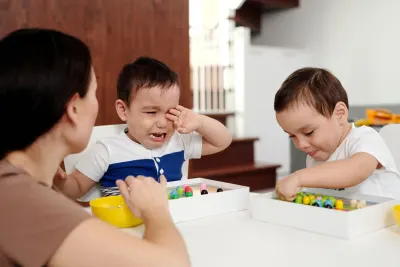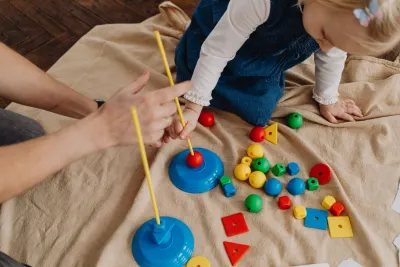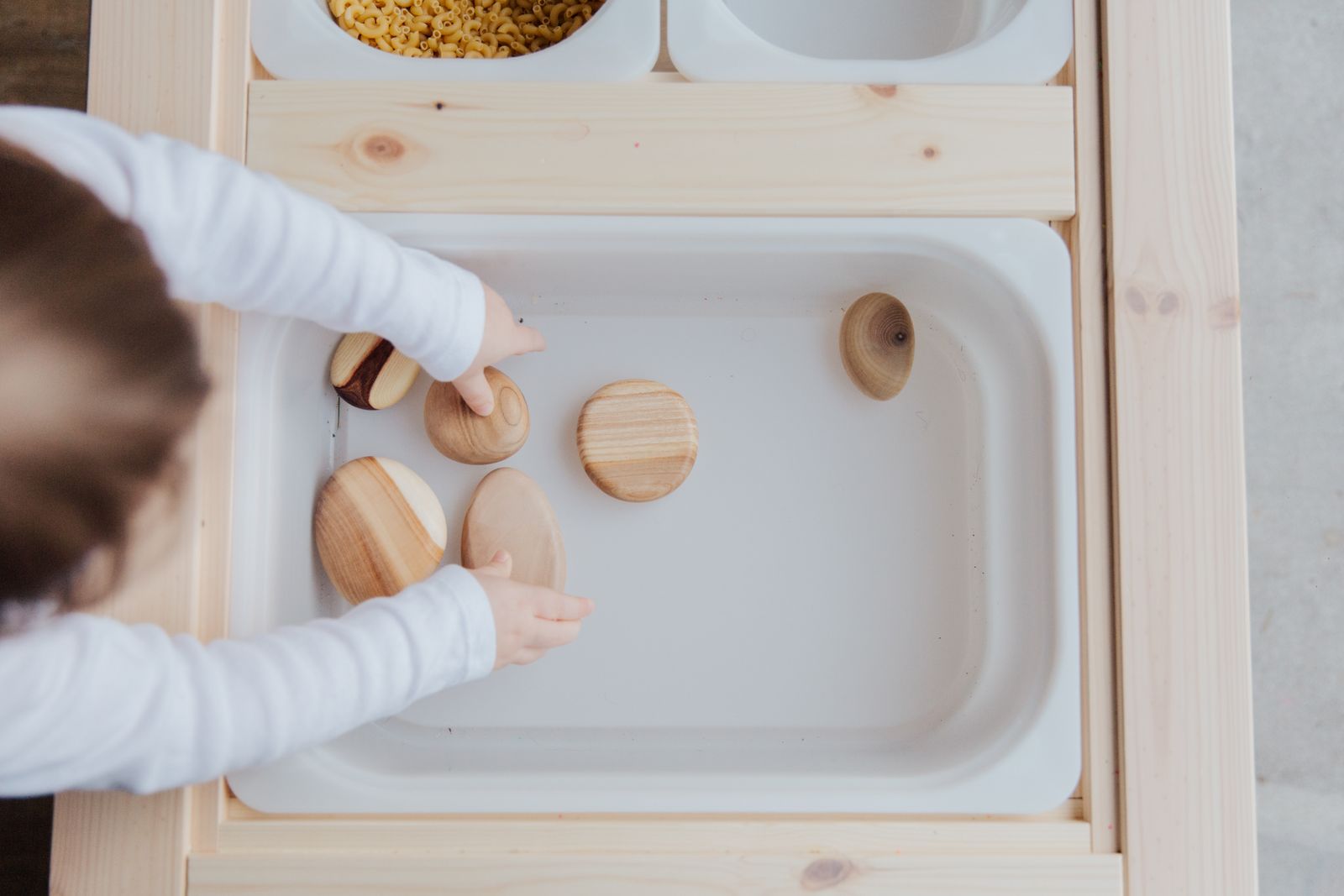
ABA therapy and sensory integration are two key approaches used to help children with autism spectrum disorders (ASD), speech delays and sensory processing difficulties adapt, develop and learn. The main difference is the focus: ABA therapy focuses on behavior, building socially important skills and reducing unwanted actions through reinforcement, while sensory integration works with the nervous system, helping the brain correctly perceive and process information from the senses.
Both methods are evidence-informed and often complement each other, but they address fundamentally different developmental tasks.
Key concepts and the essence of each method
To understand the differences precisely, it helps to define the foundation of each approach.
ABA therapy (Applied Behavior Analysis) is a scientific discipline and systematic approach that studies how the environment affects human behavior and uses these laws to teach new skills and correct unwanted behavior.
According to analytical reviews by the Center for Autism and Related Disorders, applied behavior analysis is considered the “gold standard” in support for children with ASD.
Sensory integration (SI) is the neurological process of organizing sensory signals (visual, auditory, tactile, vestibular, proprioceptive) that allows the brain to produce an appropriate response to external stimuli.
Sensory integration therapy is a method aimed at providing the nervous system with the sensory input it needs to improve the child’s self-regulation.
How ABA therapy and sensory integration work
Although both approaches aim to help the child, their inner mechanisms differ significantly.
Basic principles of ABA therapy:
- Analyzing behavior through the A-B-C model: studying what comes before a behavior (antecedent), the behavior itself and its consequences.
- Positive reinforcement: strengthening desired actions with rewards (praise, a toy, a favorite activity).
- Task analysis: breaking a complex skill (such as brushing teeth or getting dressed) into small, simple steps.
- An objective, measurable approach: keeping daily graphs and analyzing data to monitor progress.
You can learn more about how effective the method is and how structured support works in the ABA therapy section.
Basic principles of sensory integration:
- Sensory diet: an individual set of activities (swings, weighted items, trampolines, sensory pools) to balance the nervous system.
- Adaptive response: helping the brain respond correctly to a stimulus (for example, not being frightened by a loud noise or calmly tolerating certain textures).
- Following the child’s interests: sessions take the form of free but specially organized play in a sensory-rich environment.
Comparing the approaches
To clearly understand how an ABA therapist differs from a sensory integration specialist, let’s compare them on key parameters:
| Parameter | ABA therapy | Sensory integration |
| Main goal | Teaching social skills, speech, everyday independence and reducing unwanted behavior | Normalizing sensory perception, improving coordination and self-regulation |
| Focus | Observable behavior and how it interacts with the environment | The inner state of the nervous system and sensory balance |
| Session format | Clearly structured, following a protocol and individual program | Semi-structured play in a specially equipped room |
| Recording results | Daily precise data collection and graphs | Observing changes in sensory responses and motor skills |
| Key tools | Reinforcement, prompts, extinction, behavior contracts | Sensory equipment (hammocks, swings, sensory boxes, ball pits) |
Safe examples from everyday life
To illustrate, let’s see how both approaches handle typical everyday problems.
Situation 1: The child covers their ears and screams when the blender is on
- Sensory integration approach: The specialist identifies auditory hypersensitivity. Therapy uses vestibular and deep proprioceptive input (for example, swinging in a snug hammock) to reduce the nervous system’s overall anxiety.
- ABA approach: Desensitization is used. The blender sound is first played at minimum volume or as a recording. The child is shown the desired behavior (for example, putting on headphones or saying “stop”), after which they receive positive reinforcement.
Situation 2: The child doesn’t want to brush their teeth
- Sensory integration approach: Oral tactile sensitivity is explored. A toothbrush with different stiffness or a flavorless toothpaste is chosen, and gum massage is used.
- ABA approach: The process is broken into steps: pick up the brush → open the toothpaste → bring it to the mouth. Each successful step is reinforced and a visual schedule is created.
Common parent mistakes when choosing therapy
When putting together a support program, parents often make opposite mistakes:
- Setting the methods against each other. It’s wrong to think you must choose only one approach. Unwanted behavior is often caused by sensory overload, and without addressing it behavioral therapy will be less effective.
- Expecting quick results without consistency. Both behavior change and neuroplastic processes in the nervous system require regularity and time.
- Ignoring practice at home. Work in the specialist’s office alone won’t have a lasting effect if reinforcement principles or sensory support aren’t continued at home.
- Trying to apply complex protocols on your own. Incorrect use of reinforcement in ABA or inappropriate sensory load can strengthen unwanted reactions.
When you need a specialist and how to choose a direction
You need a specialist if your child’s behavior or state interferes with their development, safety and socialization.
You need an ABA therapist if your child has:
- Dangerous behavior (self-injury, running away, aggression toward others);
- Missing or delayed daily living skills (toileting, dressing, eating);
- Difficulty following requests and learning;
- No speech or communication skills.
You need a sensory integration specialist if your child has:
- A fear of heights or swings, or, on the contrary, constant seeking of extreme movement;
- Intolerance of certain clothes, food textures, hair washing or nail trimming;
- Motor clumsiness (often trips, falls, doesn’t sense their body’s boundaries);
- Constant rocking, running in circles or tapping.
Important: The best results come from comprehensive work, where the program is written by experienced specialists after an assessment (for example, VB-MAPP, ABLLS-R or a sensory profile).
How to master a practical system for your child’s development
This article gives a basic understanding of the theoretical differences between the methods, but it isn’t enough to design behavior programs yourself and help your child effectively. Individual work requires systematic knowledge, practice and data collection skills.
For those who want to master applied behavior analysis in more depth, there is a professional ABA therapy course.
What lies beyond an introductory article and is covered in the course:
- A step-by-step process for building individual behavior programs;
- Techniques for precise data collection, measurement and progress graphs;
- Practical methods for working with severe forms of unwanted behavior;
- Ready-made protocol templates, checklists and skill assessment tests;
- Analysis of real cases under the guidance of a certified supervisor.
Systematic training turns theoretical knowledge into a clear tool for your child’s everyday development.
Frequently asked questions
Can ABA therapy and sensory integration be combined?
Yes, these methods complement each other well. Sensory integration helps relieve tension and settle the nervous system, which makes the child more receptive to learning in ABA sessions.
Which should we start with?
It depends on the main concern. If safety, aggression or lack of communication come first, start with ABA therapy. If the main problem is sensory disorientation, motor clumsiness or heightened sensitivity, start with sensory integration.
Who carries out the assessment to choose a method?
Behavioral needs are assessed by a certified behavior analyst (ABA therapist), while sensory difficulties are assessed by an occupational therapist or sensory integration specialist using special questionnaires and tests.
How long does therapy last?
Both approaches are long-term processes. Progress depends on the child’s individual characteristics, how regular the sessions are and how involved the parents are.
Is ABA therapy suitable for children without autism?
Yes. Applied behavior analysis is used effectively with children with speech delays and ADHD, and to correct behavioral difficulties in typically developing children.