ABA therapy in plain words

ABA therapy: what it is, how it works and who it helps

ABA therapy (Applied Behavior Analysis) is an evidence-based approach to understanding behavior and teaching new skills. Its principles are used to develop communication, self-care, learning and social behavior, and to work with challenging behavior.

ABA is most often used with children on the autism spectrum, but the approach itself is much broader than autism alone.

In this article we look at what ABA therapy is, how it works, which principles it uses, who it suits and what results you can expect.

ABA therapy applied behavior analysis ABA method autism parent training
The basics

What ABA therapy is, in plain words

ABA stands for Applied Behavior Analysis.

In Ukrainian and Russian you may also see it written as ABA, АБА or АВА therapy. In most cases these all refer to the same approach.

Put as simply as possible, ABA helps us understand why a particular behavior happens, what keeps it going and what new skill we can teach the child instead.

A specialist or parent looks at:

  • what exactly the child is doing;
  • what happens just before the behavior;
  • what happens right after it;
  • why the behavior might keep repeating;
  • what new skill could replace an ineffective or unsafe behavior.

ABA is not a set of identical exercises for every child. A program should be built individually - around the skills, difficulties, motivation and needs of a particular child.

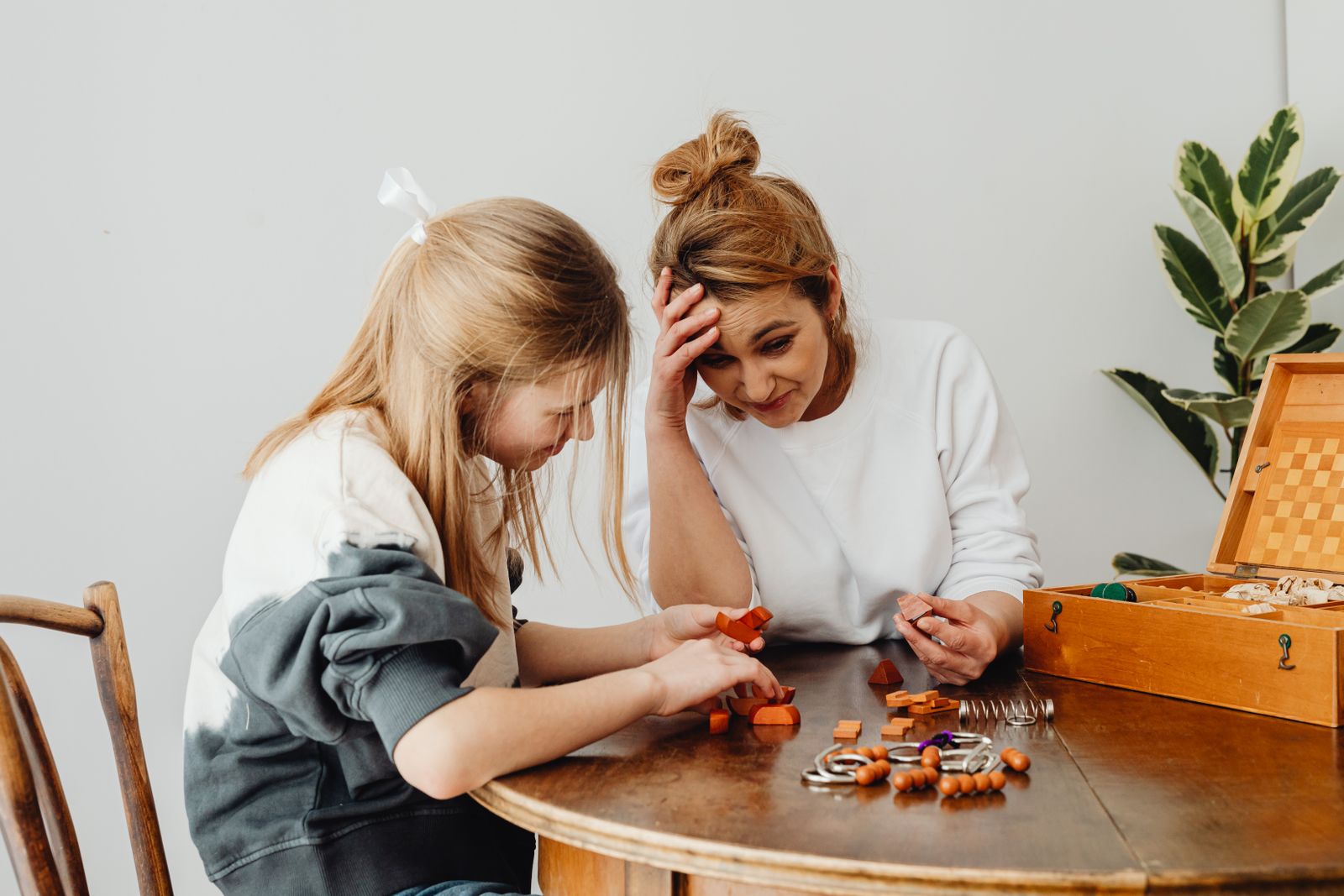
A session with a child based on ABA principles
The ABA approach is built on observation, step-by-step teaching and functional skills.
How it works

How ABA therapy works

ABA is based on analyzing the relationship between a person’s behavior and their environment.

A specialist is interested not only in the behavior itself but in its context:

01

What came before

What situation, demand, event or change came just before the behavior.

02

What the child did

Behavior is described specifically, without judgments like “behaved badly”.

03

What happened after

We look at what the child got as a result of the behavior.

For example, a child screams every time they are given a difficult task. It isn’t enough to say “She just doesn’t want to practice”.

We need to find out:

  • whether the child understood the instruction;
  • whether the task is too difficult;
  • whether the child knows how to ask for help;
  • whether they can ask for a break;
  • whether screaming has helped them avoid tasks before.

That is why ABA relies not on guesses but on observation, analysis and data.

One of the basic tools for this analysis is the ABC model: antecedent → behavior → consequence.

How learning happens

Core principles of ABA

ABA uses many methods and tools, but a few principles come up especially often.

01

Positive reinforcement

If a behavior is followed by an outcome that matters to the child, that behavior becomes more likely to happen again.

Reinforcement can be praise, attention, play, a favorite activity or access to something the child wants.

02

Learning in small steps

A complex skill is broken down into simpler steps, and the child gradually learns to do each one independently.

For example, getting dressed on your own is made up of several separate actions in sequence.

03

Prompts

At first a child may need verbal, gestural, visual or modeling help.

Prompts are then gradually faded so the skill becomes independent.

04

Generalization

A learned skill should work not only in a session with one particular specialist.

It is important to carry it over to home, kindergarten or school, other people and different situations.

Who can benefit

Who ABA is for

ABA is most often associated with autism, but applied behavior analysis is used much more widely.

Its principles can help when you need to:

  • teach a new skill;
  • improve functional communication;
  • increase independence;
  • teach everyday tasks;
  • build learning behavior;
  • help the child follow instructions better;
  • find a more functional alternative to challenging behavior.

The decision to start an ABA program should be based not only on a diagnosis but above all on the child’s specific needs.

ABA and ASD

ABA therapy for autism

ABA is most widely used to support children on the autism spectrum.

At the same time, the goals of an ABA program can be completely different from one child to the next.

For one child

The priority might be learning to ask for what they need in a way that works for them.

For another

The main goal might be independence and everyday skills.

For a third

Following instructions, communication or challenging behavior might matter most.

That is why there is no universal set of exercises called “ABA for all children with autism”.

A good program should answer these questions:

  • which skills the child needs most right now;
  • what will improve their daily life;
  • what difficulties get in the way of learning;
  • what the child could learn to do more independently.
Practical goals

Skills ABA helps develop

The focus depends on the needs of the particular child. Most often, goals fall into a few main areas.

💬

Communication

Requesting, refusing, asking for help, answering questions, and functional use of speech or alternative communication.

ABA does not guarantee spoken language, but it can help develop functional communication.

📚

Learning skills

Following instructions, imitation, attention, visual schedules and completing tasks in sequence.

In practice

What an ABA session looks like

There is no single script for an ABA session. The format depends on the child’s age, goals and individual needs.

1

Assessment

Finding out what the child can already do, which skills need work, what motivates them and which situations are difficult.

2

Setting specific goals

Goals are written so that the result can be observed and measured.

3

Teaching

Structured tasks, play, natural situations, prompts and reinforcement are used.

4

Collecting data

Tracking independent responses, how often a behavior occurs, accuracy and how much help is needed.

5

Adjusting the program

If there is no progress, the difficulty, prompts, reinforcement or the teaching approach itself are changed.

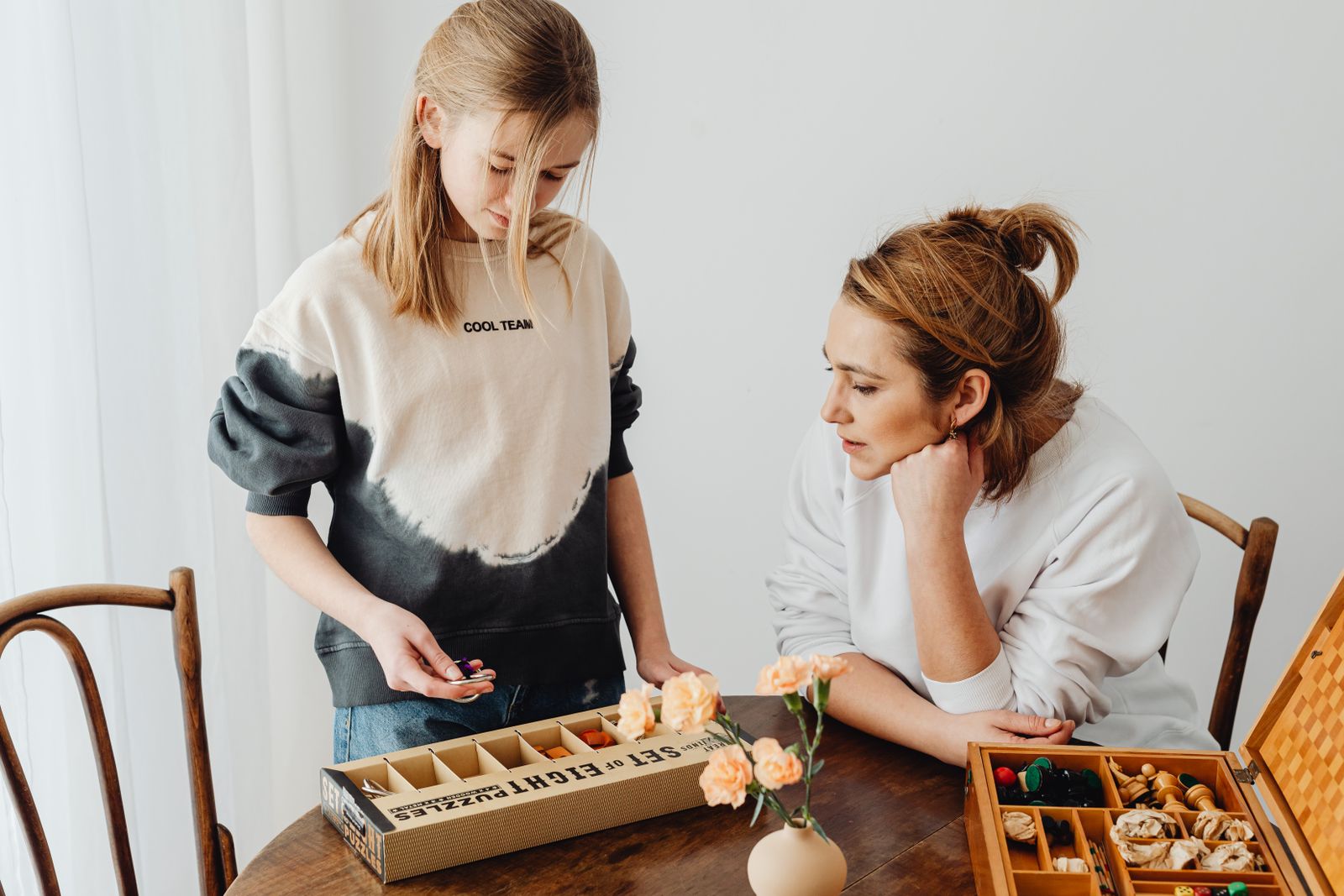
Parents using ABA principles in everyday learning with their child
Parents can carry skills from sessions into ordinary everyday situations.
ABA in everyday life

The parents’ role in ABA therapy

Parents spend far more time with their child than any specialist.

That is why they can play an important part in carrying learned skills into everyday life.

This doesn’t mean turning the whole day into therapy. It is much more important to learn to use helpful ABA principles in ordinary daily situations.

It helps parents to learn how to:

  • give clear instructions;
  • use reinforcement correctly;
  • notice what comes before challenging behavior;
  • support functional communication;
  • gradually reduce help;
  • create opportunities for independence.
Results

How effective ABA therapy is

ABA is one of the most researched behavioral approaches for people on the autism spectrum.

At the same time, it is important to avoid two extremes: claiming that ABA “doesn’t work”, and promising that it will definitely solve every difficulty for every child.

Results depend on the program

Well-chosen goals, quality of teaching and regular evaluation of results all matter.

Every child is different

The pace of learning and the outcome depend on individual characteristics and starting skills.

Practice matters

A skill should carry over from sessions into everyday situations.

Results should be measured

Progress is assessed by specific skills, not only by subjective impressions.

It is better to evaluate effectiveness specifically: does the child use the skill independently more often, need less help, and use it in real life?

The modern approach

Limits and ethical principles of ABA

ABA should not aim simply to make a child “convenient” or as similar to others as possible.

A modern ethical approach means goals must be meaningful for the child and their everyday life.

Functional communication

The child should be able to ask for help, say they are uncomfortable or refuse.

Independence

Priority goes to skills that genuinely improve daily life.

Safety

Work with challenging behavior must take its causes and possible risks into account.

Respect for differences

Not every unusual or atypical behavior needs to be changed.

Challenging behavior needs particular care. Instead of simply “removing” it, it is important to understand its possible function and build a safer, more effective alternative.

FAQ

Frequently asked questions about ABA therapy

What is ABA therapy in simple terms?

ABA therapy is an approach that helps analyze behavior, teach new skills and adjust the environment so that it is easier for the child to communicate, learn and be more independent.

What does ABA stand for?

ABA stands for Applied Behavior Analysis.

Is ABA therapy only used for autism?

No. ABA is most often used with children on the autism spectrum, but the principles of behavior analysis are used much more widely.

Does ABA help develop speech?

ABA can help develop functional communication, but it does not guarantee that every child will start talking. Some children may use alternative forms of communication.

Can ABA be used at home?

Yes. With the right training, parents can use many basic ABA principles in everyday situations.

At what age can ABA start?

There is no fixed universal limit. The approach is adapted to the child’s age, developmental level and specific needs.

How long does ABA therapy take?

There is no single answer. The length depends on the goals, starting skill level, intensity of the program and the progress of the particular child.

How long does an ABA therapy course take for children?

How is an ABA therapist different from a psychologist or speech therapist?

These specialists may work on different tasks and complement one another.

ABA therapist, psychologist or speech therapist: who to choose and how to build a team

Can ABA be combined with other methods?

Yes, if it suits the needs of the particular child. ABA can be part of comprehensive support alongside other specialists and approaches.

ABA therapy or sensory integration: what is the difference?

Summary

What to remember about ABA therapy

ABA therapy is not a set of universal exercises but a systematic approach to analyzing behavior and teaching functional skills.

With ABA you can work on:

  • communication;
  • independence;
  • self-care;
  • learning skills;
  • social interaction;
  • challenging behavior.

The program should be individual, measurable and focused on the child’s real needs.

For parents it is important not only to know what ABA is but to understand the basic principles: how behavior is formed, how reinforcement works, how prompts are used and how to carry skills into everyday life.

Training for parents

Want to learn to use ABA principles in practice?

The website offers an online ABA therapy course for parents. It covers the basic principles of applied behavior analysis and how to use them in everyday interaction with your child.

See the ABA therapy course

Find your program

Not sure where to start?

Take the program finder: answer 4 questions to find the best place to start. The Platinum plan includes a one-to-one consultation with Alina focused on your situation.